General Assembly 2022
DATE: Wednesday, December 7, 2022TIME: 14-16h Central EuropeanDue to the global pandemic travel restrictions, the 2022 General Assembly of the IPCP will once again take place remotely. All IPCP members...

DATE: Wednesday, December 7, 2022TIME: 14-16h Central EuropeanDue to the global pandemic travel restrictions, the 2022 General Assembly of the IPCP will once again take place remotely. All IPCP members...
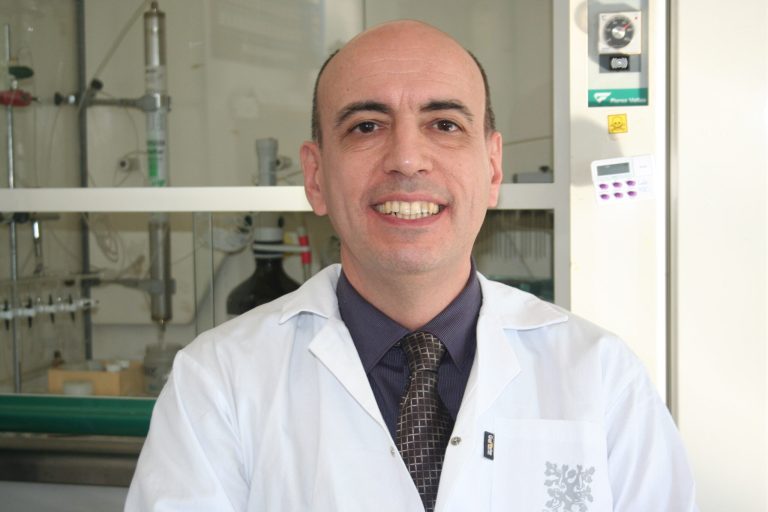
Alexandra Martins | BBC News World13 October 2022 Read a recent interview with Joan O. Grimalt, an IPCP Board Member (in Spanish | auto-translation to English)
Source: UNEP webinar page The United Nations Environment Programme (UNEP) hosted a series of webinars to introduce the new science-policy panel on chemicals, waste and prevention of pollution and the...
In September 2022, the Governor of California signed a bill (AB 1817/Ting), which by 2025 bans the use of PFAS in fabrics. “PFAS are commonly added to clothing and household...
[English: Univ. of Toronto | [French: Univ. of Luxemburg | German: Univ. of Vienna, RWTH Aachen, Univ. of Luxemburg] Environmental scientists, ecologists, and policy experts argue in a letter published in...
The IPCP stands in support of Ukraine. Please consider helping Ukrainians as follows: Share opportunities available to Ukrainian students and researchers on the #ScienceForUkraine website: https://scienceforukraine.eu/help.html Donate directly to help...
Last week, the United Nations Environment Assembly ( (IPCP) is an international network of academic scientists from all regions of the world supporting environmental and human-health protection from chemical pollution....
Today, the IPCP sent a letter to Mr. Virginijus Sinkevičius, Commissioner for Environment, European Commission to urge the EU to support the draft resolution to establish an intergovernmental “Science-Policy Panel...
On January 28, the POPs Review Committee (POPRC) of the Stockholm Convention on POPs concluded its 17th meeting. During this meeting, the POPRC worked on several chemicals that currently are...
MODEL LETTER TO POLICYMAKERS: In response to inquiries from other scientists, we have prepared model letters (in English, Arabic, Chinese, French, German, and Spanish) that others are welcome to use to send to their Ministers...